How Cloud-Based ERP Solutions Can Help Your Business Grow
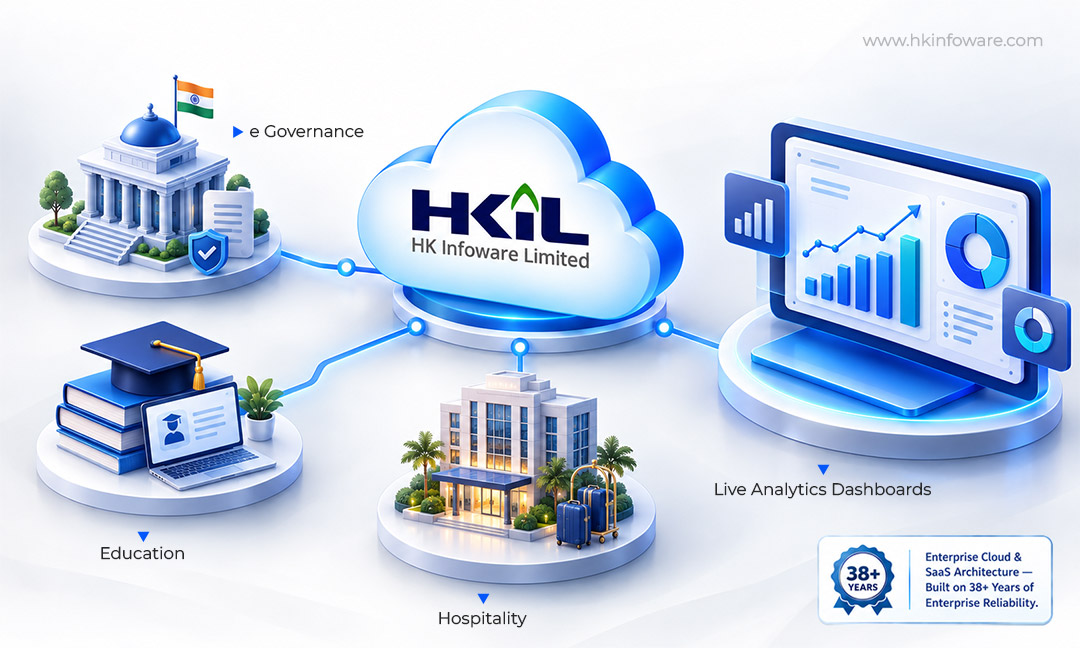
In today’s fast-paced digital environment, businesses often struggle to optimize workflows, reduce operational friction, and make informed decisions in real time. Conventional enterprise software can seriously impede growth and hinder agility because it often relies on legacy servers. Contemporary cloud-based ERP solutions provide a clever, flexible substitute intended to increase productivity and create long-term business resilience. Cloud-enabled platforms enable businesses to run precisely and scale with ease by consolidating key functions—from supply chain management and customer service to finance and human resources—into a centralized ecosystem.
A Cloud-Based ERP: What Is It?
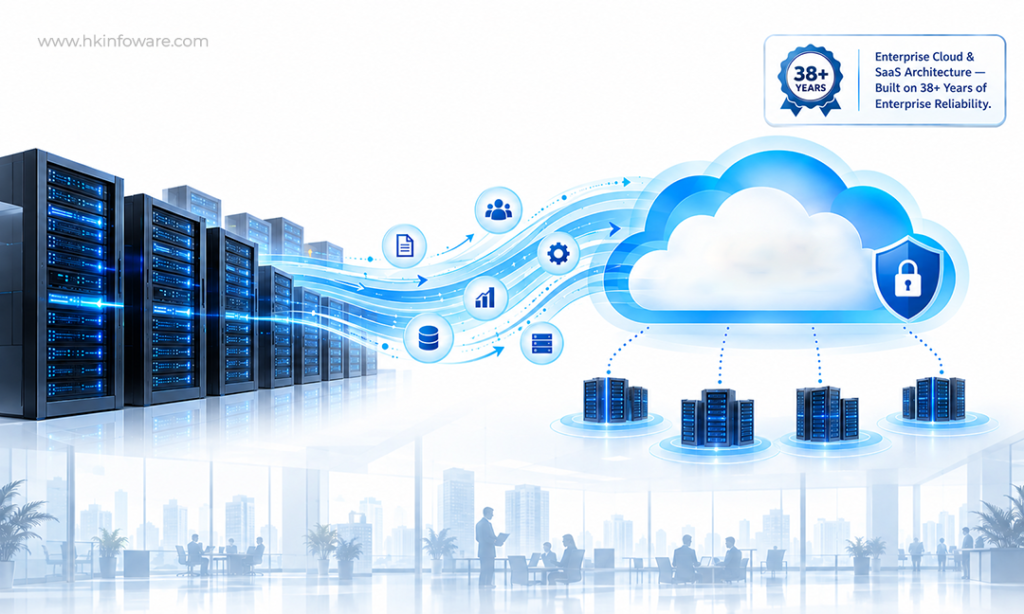
Your main business operations are connected in one location by an ERP (Enterprise Resource Planning) system. The term “cloud-based” refers to the fact that it does not require hardware racks in your office and operates on distant servers that you may access via a secure internet connection. Updates are released immediately and your team can log in from any location with a contemporary SaaS product engineering strategy.
Its unique characteristics are:
- Centralized Data Hub: Eliminates data silos by providing a single source of truth across all departments.
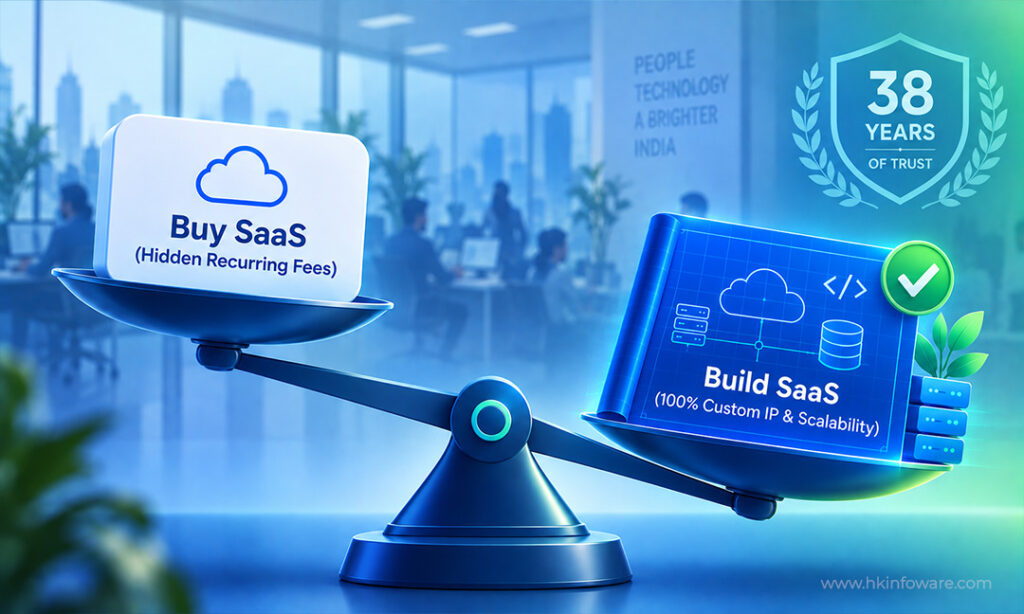
- Subscription-Based Model: Budgeting is made easier because you pay a regular monthly cost rather than a large upfront purchase. Shifts heavy capital expenditure (CapEx) to a predictable operational expense (OpEx) structure.
- High Accessibility: Enables authorized team members to manage operations from anywhere at any time.
4 Ways a Cloud ERP Facilitates Development
1. Unmatched Scalability and Flexibility
Every company evolves as it grows. This typically entails costly server upgrades and weeks of reconfiguration for legacy systems. Stretching a cloud platform is simpler. Without interfering with daily tasks, you can add users, activate new modules, or add new features with modern cloud-based ERP solutions.
2. Real-Time Insights for Better Decision-Making
Data-driven leadership relies on timely and accurate information. Cloud platforms update as things happen, so dashboards and automated reports show what’s going on now with real time analytics.
Whether tracking financial metrics, inventory levels, or service performance, leaders can spot a problem early and deal with it.
3. Industry-Specific Customization
Modern platforms cater directly to specific domain challenges:
Education: Admissions, academics, fee collection, and parent communication can all be managed in one safe location via a School Automation System.
Hospitality: A Hospitality Management System facilitates the management of reservations through various channels, the visitor experience, and property operations.
Assessments: Instruments such as an Automated Grading System accelerate assessment and provide teachers with valuable information about student performance.
4. Robust Security and Seamless Continuity
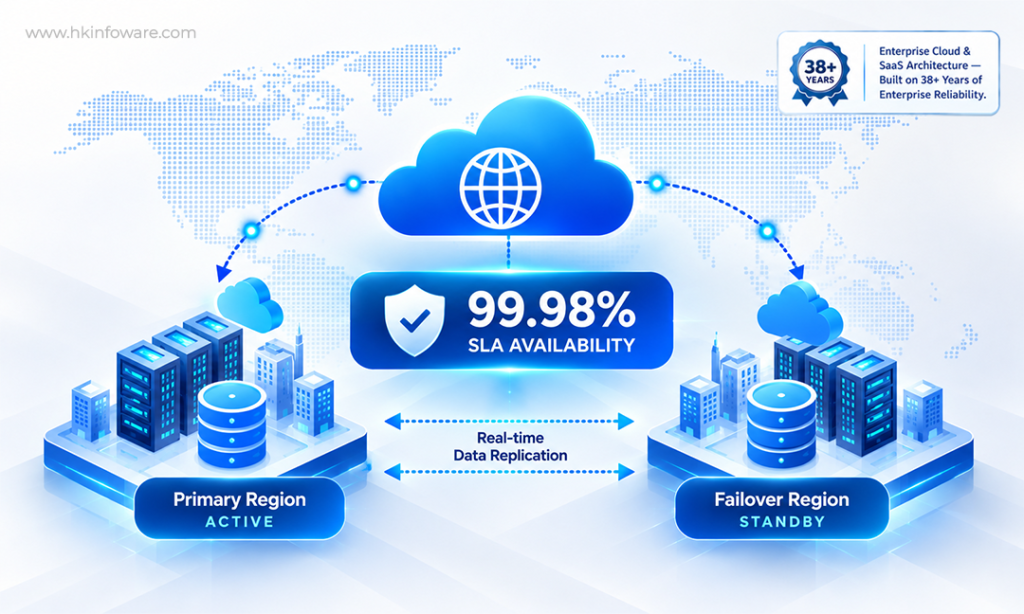
The majority of small and mid-sized businesses are unable to develop robust security on their own. Unexpected downtime and data breaches can cost them heavily. Role-based access, encrypted data, automatic backups, and multi-tenant architecture are features of reputable cloud ERPs. Business continues to operate and the sensitive data is secure.
Final Thoughts
Switching to modern cloud-based ERP solutions is no longer just an IT upgrade—it is a strategic business decision. It alters the way your entire organization operates by empowering it to innovate faster, optimize resources, and stay competitive. By replacing fragmented tools with an agile, unified platform, your enterprise builds a secure foundation for sustained efficiency and digital growth.