Cloud-Native SaaS Development: Why It Matters

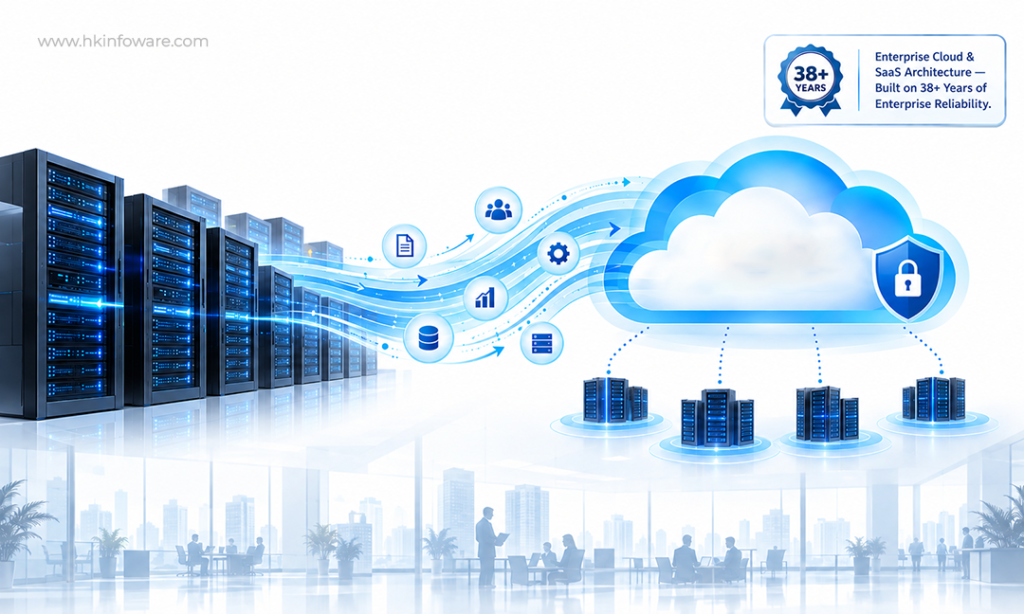
Software is no longer constructed the same way it once was. The previous approach, which involved a single, large, monolithic program operating on a small number of servers, is no longer viable. It breaks in unpredictable ways and is costly to scale. As a result, many businesses are switching to cloud-native SaaS development services. These days, it is more than just a technological choice; it is a component of how companies compete.
1. Superior Elasticity and Unlimited Scalability
Unexpected surges in traffic often cause traditional installations to collapse. The entire system may come to a complete stop with a single viral event or product introduction. Cloud-native platforms avoid this issue in several ways:
Microservices: You get a group of smaller, independent services in place of a single, massive application. The system as a whole does not even notice if one component needs extra resources because it scales on its own.
Auto-scaling: Infrastructure adapts to demand in real time, saving you from overprovisioning “just in case” or scrambling during traffic spikes.
Multi-tenancy: Thousands of clients can be served simultaneously by a single platform, while each client’s data is kept safe and distinct.
2. Rapid Deployment and Continuous Delivery
Success in contemporary SaaS development services is determined by speed-to-market. Faster deployment timeframes are guaranteed without compromising software stability when working with a knowledgeable SaaS product engineering business.
CI/CD pipelines: Code updates, feature releases, and patches are automatically tested and continually deployed through automated continuous integration and deployment pipelines.
Zero-Downtime Rollouts: Your users will always have uninterrupted service because upgrades happen smoothly in the background.
Faster Feedback Loops: Product teams may swiftly incorporate customer input and introduce new products before competitors in the market.
3. Cost Optimization and High Reliability
Transitioning to cloud-native SaaS also changes how businesses spend money, resulting in more flexible, pay-as-you-go operating costs and less locked-up capital in hardware. To further extend their budgets while maintaining enterprise-grade dependability, several companies combine this change with offshore software development in India.
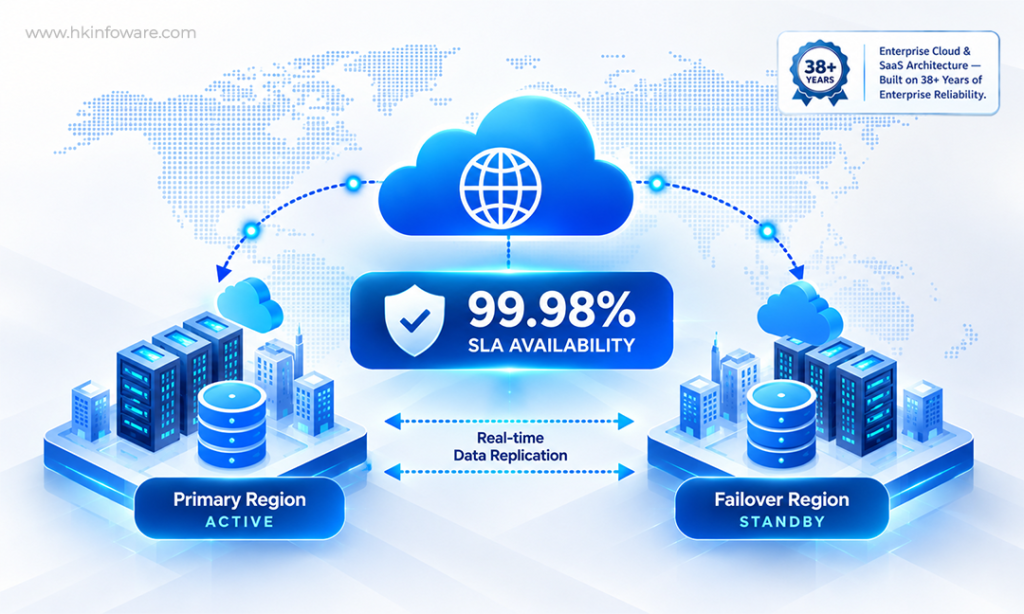
Self-healing capabilities: When something fails, it is automatically identified and restarted, frequently before anyone notices.
Resource Efficiency: You will not have to pay for server capacity that is idle and kept “just in case.”
Robust Security Standards: Rather than being added after the fact, encryption, automated backups, and compliance controls are commonplace.
Conclusion
Cloud-native SaaS is rapidly becoming the standard for developing competitive software, not just a trend. Modernizing outdated systems, maintaining a seamless user experience, and positioning a business to grow well beyond its current state can all be achieved by working with the appropriate custom software development partner.