Enterprise Data Sovereignty: Preparing Your SaaS Ecosystem for India’s Digital Personal Data Protection (DPDP) Act
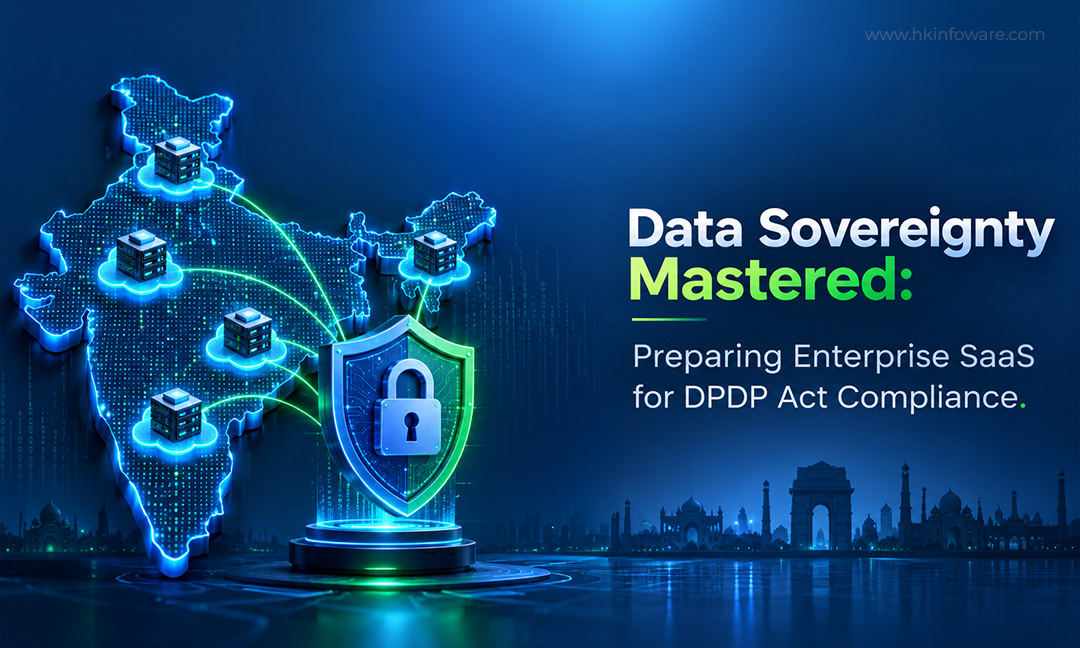
For many years, business software teams handled data flows the same way most of us treat electricity: assume it is always there and do not give its source much thought. That presumption is no longer valid. Cloud-based enterprise software now has to respond to a much more difficult question: not only “is our data secure,” but “do we truly know where it lives, who handled it, and if the person it belongs to ever agreed to that.” This is because of India’s Digital Personal Data Protection Act. Data privacy is becoming a fundamental component of system architecture, brand integrity, and enterprise risk management rather than merely a checkbox for IT compliance.
A proactive structural shift is necessary for Indian IT leaders to achieve genuine data sovereignty across cloud ecosystems.
1. Consent can’t be an afterthought anymore
The majority of outdated platforms conceal permission behind a wall of unread terms and conditions. That will not work under DPDP. According to the law, consent must be explicit, informed, and—most importantly—revocable at any moment. For teams developing on cloud-native systems, this practically means two things:
A genuine consent layer:
This is required. An ongoing feature built into the product allows consumers to see what they have committed to, change their minds, and have that change truly spread throughout the system—rather than a tick at signup.
Contextual Data Mapping:
You must keep track of which data is sent where. The same information should not be surreptitiously feeding a marketing analytics pipeline three services downstream if a user gave permission for their email to be used for order updates. The majority of businesses have not yet completed the task of mapping that, service by service.
2. Localized Storage & Data Residency in Multi-Tenant Environments
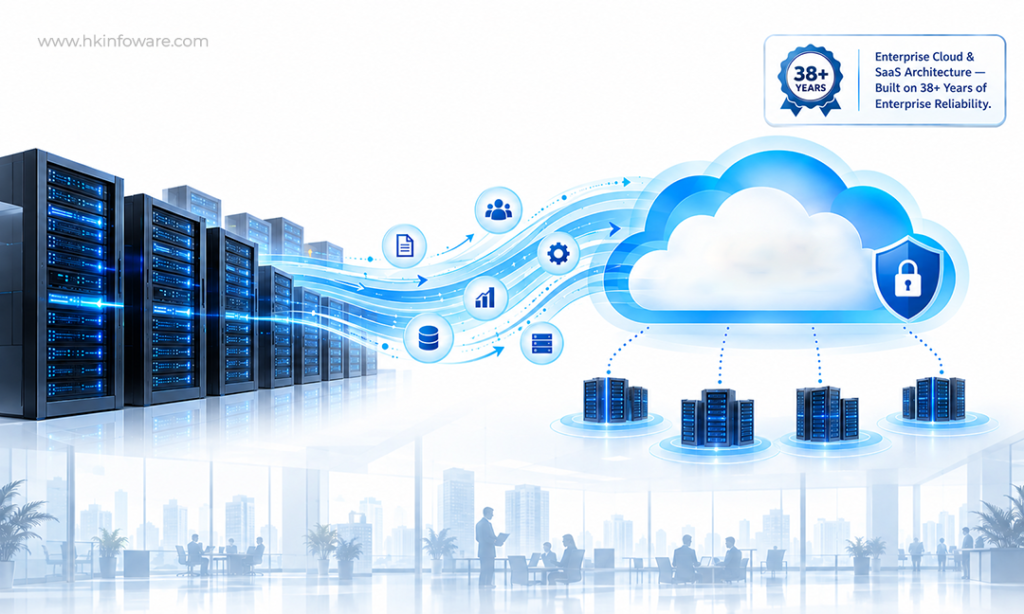
In the past, data residency was a desirable feature for those who were concerned about security. Now it’s closer to a legal obligation. Maintaining personal data within national borders requires significant technical work if you are operating a multi-tenant SaaS application with clients throughout India. This is precisely the kind of work a reliable software development firm in India ends up undertaking for clients who did not plan for it early. Here are a few things that usually need to occur:
Moving databases into regional availability zones: Rather than passing everything through a global default region, move databases into regional availability zones, such as AWS Mumbai, Azure Central India, or whatever suits your stack.
Tenant-Level Data Isolation: Examining how tenants are isolated at the database level, frequently using sharding or distinct schemas, to ensure that data from one client cannot inadvertently enter the environment of another.
3. Enforcing Zero-Trust Access Controls and Encryption
Data sovereignty requires complete visibility and control over who accesses personal data, where, and why. Implementing robust encryption protocols safeguards enterprise ecosystems against internal and external breaches.
To safeguard sensitive operational assets, modern B2B SaaS platforms must enforce:
- Granular Role-Based Access Control (RBAC): Restrict system access based on strict user roles and privileges.
- End-to-End Encryption: Utilize advanced encryption standards for data both at rest and in transit.
- Automated Audit Logging: Maintain tamper-proof, real-time activity logs to provide verifiable compliance during regulatory audits.
4. The Right to Erasure and Data Portability
Many interrelated networks become visible when persons exercise their right to erasure, often known as the right to be forgotten, under the DPDP Act. Consider a hotel booking system, a school management platform, or any other tool where a single person’s record affects twelve downstream modules and there are a few backup copies that no one can recall.
- Purpose-built erasure workflows: APIs that cascade a delete request across every module and backup that touched the original record are typically needed to remove that person’s data cleanly and without interfering with dependent systems.
- Anonymization or pseudonymization: allows you to preserve the structure of the data without identifying any individuals in situations where complete erasure is not feasible, such as historical reporting.
Conclusion
More than just a legal requirement, getting your enterprise cloud ecosystem ready for the DPDP Act gives you a competitive edge. You may create a safe, compliant, and resilient SaaS platform designed for long-term growth. Get it by updating to cloud-based enterprise software, putting strong encryption in place, and working with a knowledgeable custom software development partner.